



Historic trilogue agreement: EU strikes deal on «Chemicals Omnibus» to simplify chemical products labelling
The EU institutions have finalised a profound technical reform that introduces digital solutions for smaller packaging and extends compliance deadlines until the turn of the next decade.
The European Parliament, the Council, and the European Commission secured a monumental provisional political agreement during trilogue negotiations on 17 June 2026 regarding the legislative package known as Chemicals Omnibus VI. This measure introduces far-reaching overhauls to the CLP Regulation (Classification, Labelling and Packaging of chemicals), seeking a critical equilibrium between the competitiveness of the European business landscape and the rigorous protection of public health and the environment.
The consensus reached directly by the three negotiating bodies in the trilogue represents a welcome regulatory lifeline for manufacturers. The core pillars of the reform are outlined below.
Formatting Adjusted for Proportionality
One of the primary demands from the production sector centred on the excessive rigidity of visual criteria. Under the new framework, formatting requirements of the CLP Regulation — such as minimum font size, technical contrast, or specific typefaces — will apply exclusively to the data mandated by this legislation itself, and solely when items are intended for the final consumer. This completely halts the risk of these strict obligations inadvertently spilling over into parallel sector-specific regulations.
Simplification and Pragmatism in Advertising
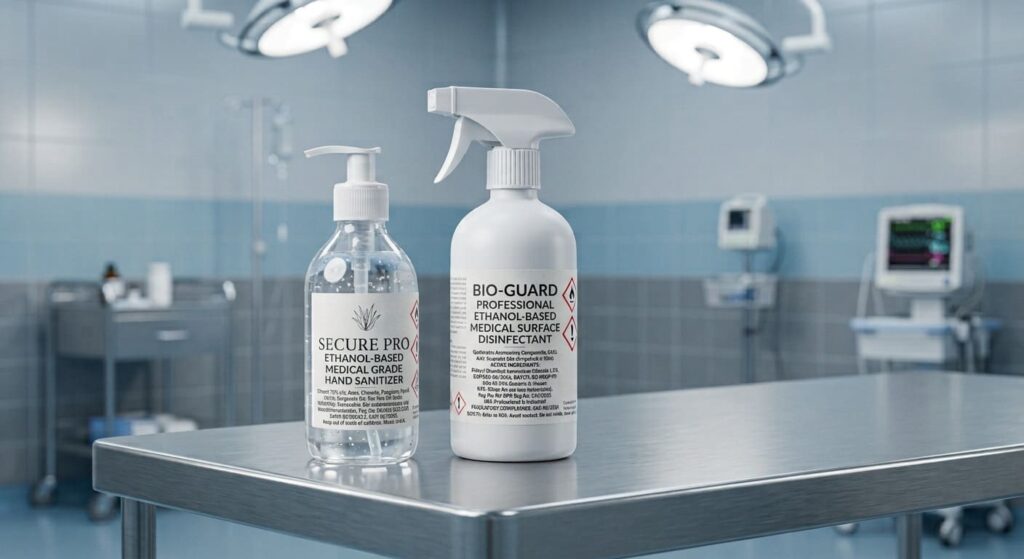
The digital and physical regulatory framework for promoting chemical mixtures is adopting a far more pragmatic approach. Moving forward, companies will no longer be forced to replicate the entire product label within their promotional materials. The approved standard dictates that it will suffice to include the relevant hazard pictograms alongside a generic safety warning, drastically lowering design and layout costs.
A Definitive Push for Digitalisation
The pact cements the use of information technologies through a balanced framework. Chemical sector firms will be able to streamline their operations by utilizing digital channels and online tools for transmitting regulatory data. This advancement is executed whilst ensuring at all times that the end buyer continues to have direct, straightforward access to essential safety data in a physical format.
Viable Solutions for Small Packaging
The management of small-sized containers had previously triggered severe logistical friction due to the absolute lack of physical space to host lengthy text. The Chemicals Omnibus reform resolves this issue by permitting the voluntary use of digital labels on small inner packaging. To maintain legal certainty and transparency, the rigid outer packaging must still retain the entirety of the information printed in the traditional manner.
Extension of the Regulatory Timeline
Mindful of the colossal adaptation effort required to overhaul manufacturing lines, the EU authorities have decided to defer the mandatory entry into force of these guidelines until 1 January 2030. This generous extension of the calendar provides corporations with a substantial framework of legal certainty. Also brings the necessary time to execute the technical transition without penalising their financial performance.
The positive outcome of this regulatory file highlights the strategic weight and influence of the active participation of European industry through its sector associations. Their technical expertise proved vital in smoothing out the most complex edges of the European Commission’s initial legal proposal.
Should you wish to delve deeper into the legal technicalities of the agreement, you may examine the official documentation published on the Council of the European Union portal.
Do you need support to comply with the regulations applicable to chemical products in the EU? Nordiik can help you, contact us to explain your case.