



PCN 7.0 introduces new update requirements for the chemical industry
Version 7.0 of the PCN format brings critical changes to the update requirements for submissions to European poison centres. Its main priority is to improve the quality and consistency of information available for medical emergencies. Companies marketing hazardous mixtures within the European Union must review their submission processes immediately to adapt to the new criteria and ensure strict regulatory compliance.
This update is mandatory for importers and downstream users who place chemical products on the market that present physical or human health risks.
Inclusion of new combined hazard classes
The most notable change in the PCN 7.0 version is its direct alignment with the latest revisions of the CLP Regulation. New categories linked to substances of high environmental and health concern are now explicitly incorporated:
- PBT / vPvB: Persistent, bioaccumulative and toxic substances.
- PMT / vPvM: Persistent, mobile and toxic substances.
Companies no longer just need to report traditional physical or human health hazards. Environmental persistence and mobility now demand a meticulous review of mixture composition and toxicology within Safety Data Sheets (SDS).
Final end of the transition period and full harmonisation
Following the definitive closure of the transitional deadlines, the harmonised PCN format is strictly mandatory for all market uses: consumer, professional and industrial.
- Goodbye to national formats: Former country-specific submissions have become completely obsolete.
- Obligation to update: Any change in formulation, colour, packaging, or the opening of markets in new European Union countries requires an immediate re-submission under the validation rules of the new harmonised format.
Technical requirements and digital optimisation
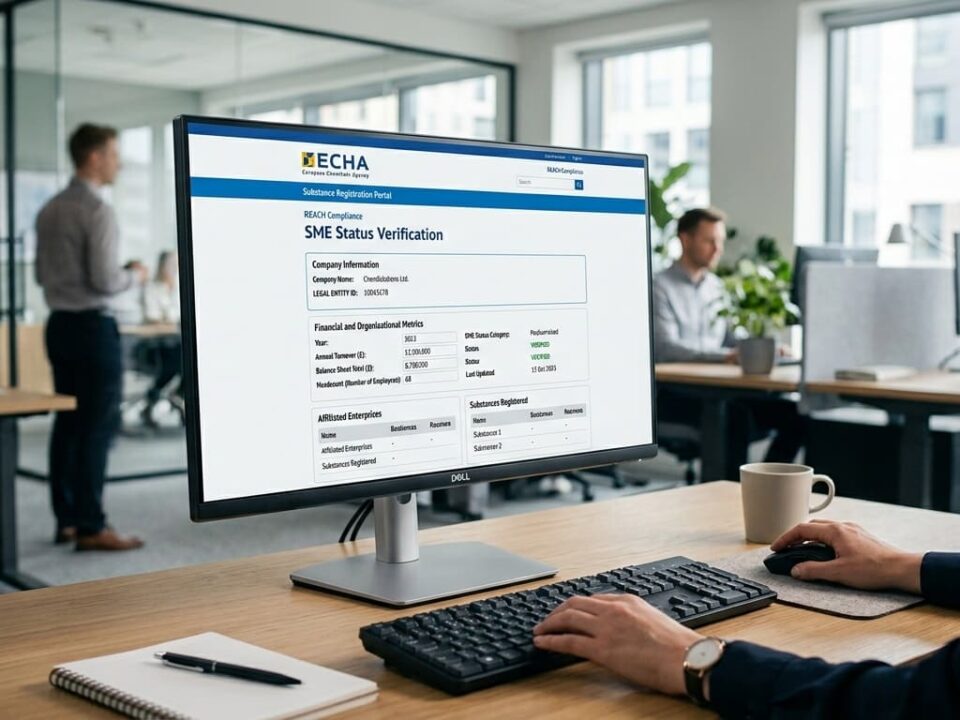
Data submission in the PCN 7.0 version must be carried out in a structured XML format through official delivery tools. The pillars of the submission demand maximum precision:
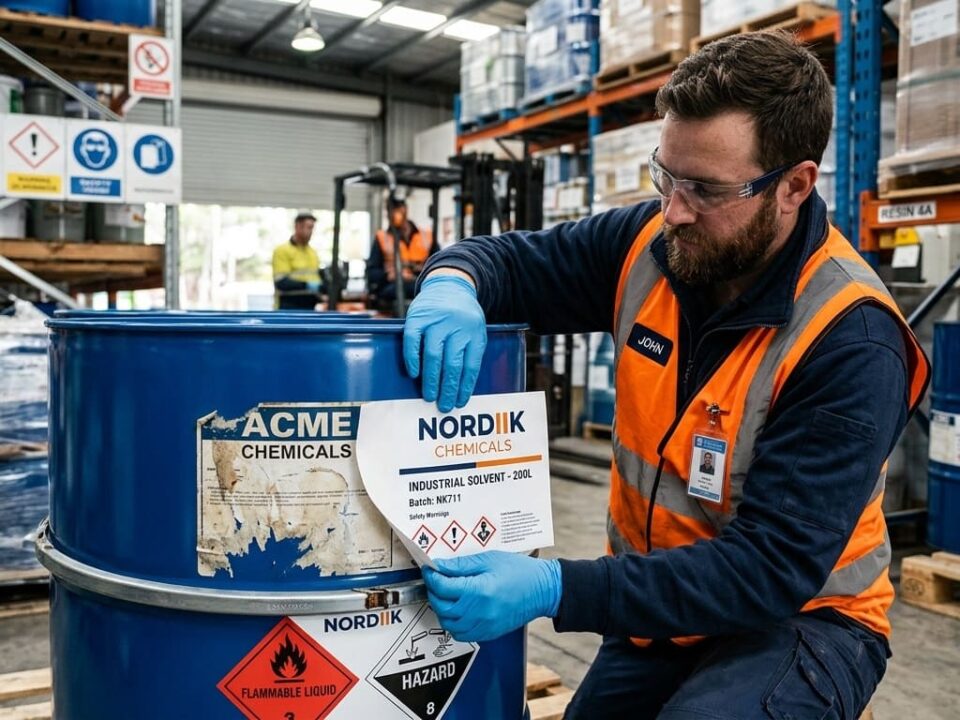
- The UFI code (Unique Formula Identifier): This alphanumeric code must be obligatorily printed on or affixed by label to the product packaging. Distributors are responsible for ensuring it is visible before placing the product on the shelves.
- The EuPCS system: Products must be strictly classified according to the European Product Categorisation System, which standardises the end use of the mixture.
- Closed toxicological and physical data: Ambiguous descriptions are no longer permitted. Variables such as colour (chosen from 14 standard options) and packaging type or size must be mapped with surgical precision, eliminating generic ranges.
Consequences for businesses: Roadmap for compliance
To operate safely and legally, the chemical industry must tackle three critical tasks immediately:
- Inventory audit: Identify which mixtures contain the new substances classified as PMT, vPvM, PBT or vPvB.
- Supply chain review: Communicate with non-EU suppliers to obtain the exact composition of «Mixtures in Mixtures» (MiM) without breaking confidentiality, utilising the suppliers’ UFI codes.
- Process automation: Adopt advanced management systems that connect internal data directly with the harmonised portal to reduce times and mitigate validation errors.
Notify your hazardous mixtures with Nordiik
Do not let regulatory changes halt the commercialisation of your products or put your business continuity at risk. Compliance with the CLP Regulation and adaptation to the PCN 7.0 format require advanced technical knowledge and precise management tools.
At Nordiik, we help you manage the entire process comprehensively:
- Full audit of your mixtures and Safety Data Sheets (SDS).
- Generation and validation of regulatory UFI codes.
- Automated submission and updates to European poison centres.
Get in touch with Nordiik today and secure your company’s CLP compliance.
Source: Poison Centres