


ECHA Postpones its Opinion on Ethanol to 2026: What This Means for the Biocides Market
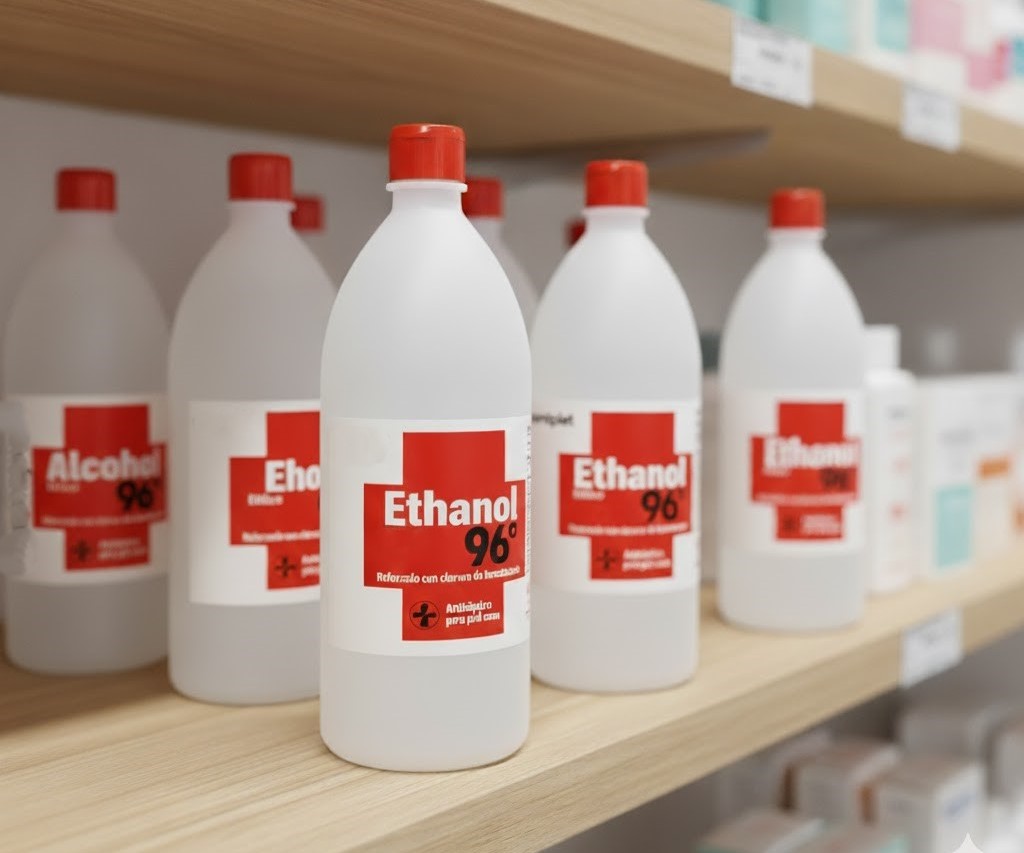
The European biocides sector faces renewed uncertainty following ECHA’s announcement that its Biocidal Products Committee (BPC) has postponed the adoption of its opinion on ethanol. Despite extensive discussions, the Committee was unable to reach consensus on the approval of ethanol as an active substance for hand and general disinfectants. The evaluation will resume in February 2026, and the final opinion is not expected before May of that year.
Why is it so complex to issue an opinion on ethanol’s approval?
The debate has become particularly complex due to concerns about ethanol’s potential hazard classifications. The substance is currently being assessed for a possible carcinogenic classification and for potential toxicity to reproduction—both of which could place ethanol among the candidates for substitution under the Biocidal Products Regulation (BPR). This would mean stricter regulatory scrutiny, comparative assessments, and increased pressure to consider alternatives. These ongoing scientific and regulatory discussions are a major reason behind the BPC’s inability to adopt an opinion at this stage.
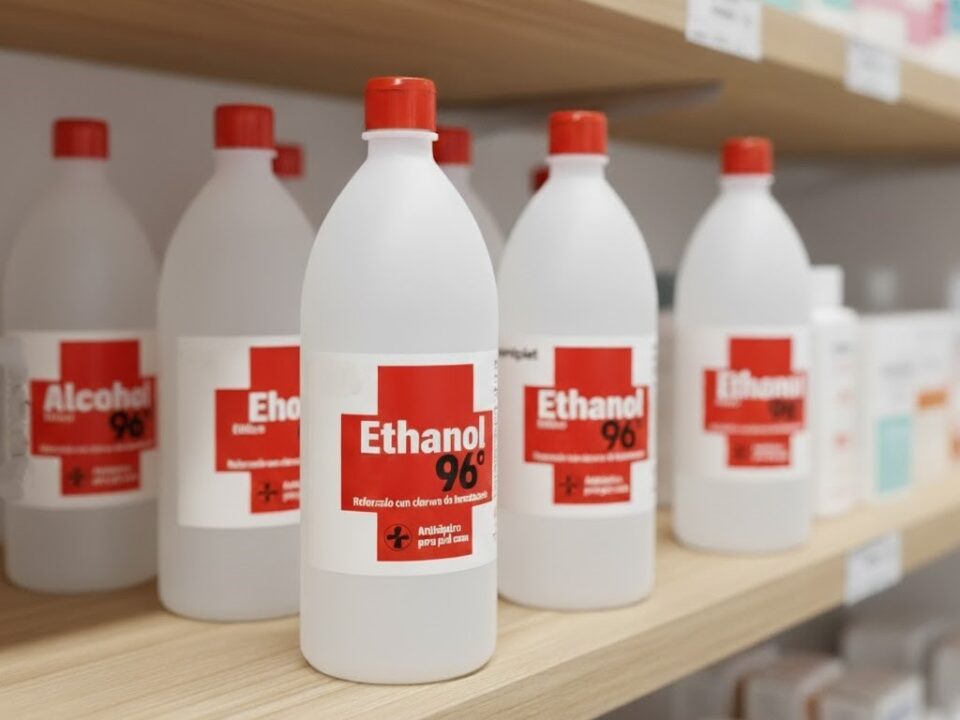
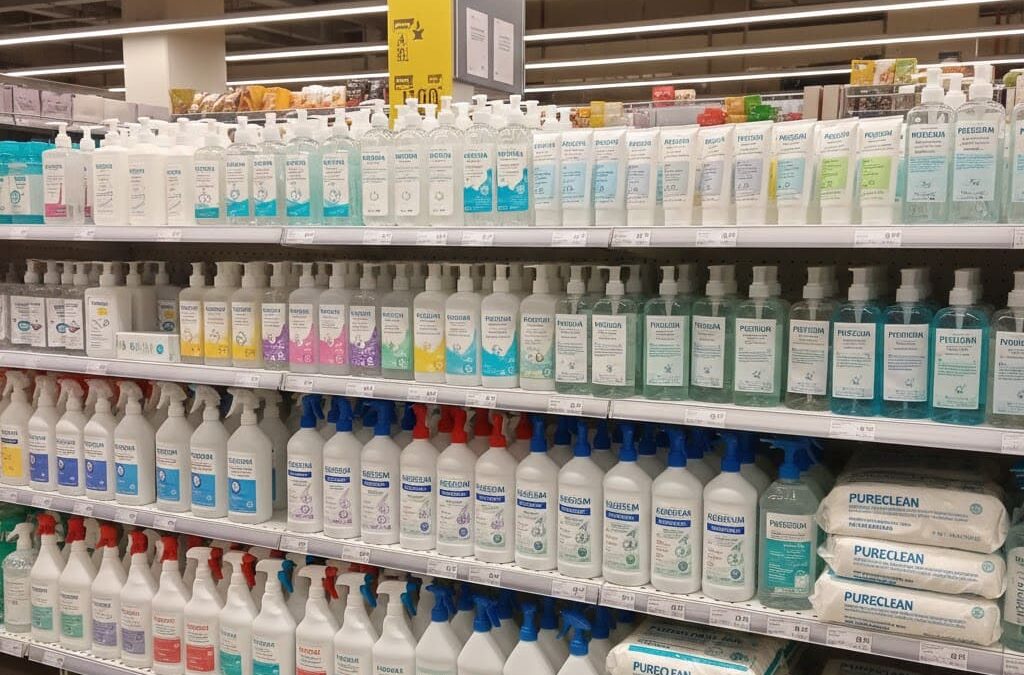
For industry, the delay adds to an already challenging environment. Ethanol remains one of the most widely used actives for disinfectants, valued for its efficacy and long history of use, yet companies must now navigate prolonged uncertainty regarding its future regulatory status. This could impact authorisation planning, portfolio management, and investment decisions, especially for businesses heavily reliant on ethanol-based formulations.
The European Commission will ultimately make the final decision, but only after ECHA issues its opinion in 2026. Until then, staying informed and adjusting regulatory strategies will be essential.
What can Nordiik offer to help you comply with the BPR?
At Nordiik, we help companies manage exactly these complexities. Our services cover the entire biocidal regulatory pathway: biocidal product authorisation strategies, data gap analysis, dossier preparation, including Risk Assessment, IUCLID, PAR and SPC compilation and submission through national & mutual recognition or Union routes and direct support during discussions with competent authorities. Our team is ready to provide stable, expert guidance in a rapidly evolving regulatory landscape. Contact us!
Source: ECHA