

The BPC supports the approval of ethanol under the BPR: regulatory implications and next steps
The long-awaited backing from the Biocidal Products Committee
The BPC supports the approval of ethanol under the BPR following its meeting on 23 February. The opinion was adopted by ECHA through its Biocidal Products Committee. This scientific body assessed the use of ethanol as an active substance and concluded that it may be approved for several product types. These include:
- PT1: Hand disinfectants and human hygiene products
- PT2: Disinfectants for surfaces not intended for direct contact with humans or animals
- PT4: Products used in food and feed areas
The decision marks a key step within the framework of the BPR Regulation, which requires prior evaluation of all active substances before they can be included as approved active substances.
Demonstrated safety and limits of the assessment
The Committee considered that the safe use of ethanol has been demonstrated for product types 1, 2 and 4. These cover human hygiene, general disinfection and applications in food-related environments. According to the opinion, risks can be adequately managed under the proposed conditions of use, and therefore no new hazard classification is proposed.
However, the Committee has not yet reached a final position on potential carcinogenicity or reproductive toxicity. The dossier was considered complete, yet it presents relevant technical limitations. Robust data on dermal exposure are lacking, which is a key exposure route for biocidal products. In addition, some inhalation studies did not follow standard guidelines.
A large part of the available scientific evidence comes from the voluntary consumption of alcoholic beverages. That context is not considered comparable to the use of ethanol as a biocidal substance, and therefore it was not taken as the main basis for decision-making. New studies assessing more relevant exposure routes are currently underway, but waiting for their results could significantly delay the approval process.
Next steps in the European Union
Following adoption of the opinion, it will be submitted to the European Commission. The Commission will draft an Implementing Regulation proposing either the approval or non-approval of the substance. This draft will then be submitted to Member States for a vote within the relevant Standing Committee. If supported, the decision will be formally adopted and become legally binding.
If ethanol is approved, biocidal products containing it may apply for authorisation at national level or through Union authorisation. If not approved, such products will have to be withdrawn from the European market within the applicable transitional periods.
Impact on industry and call to action
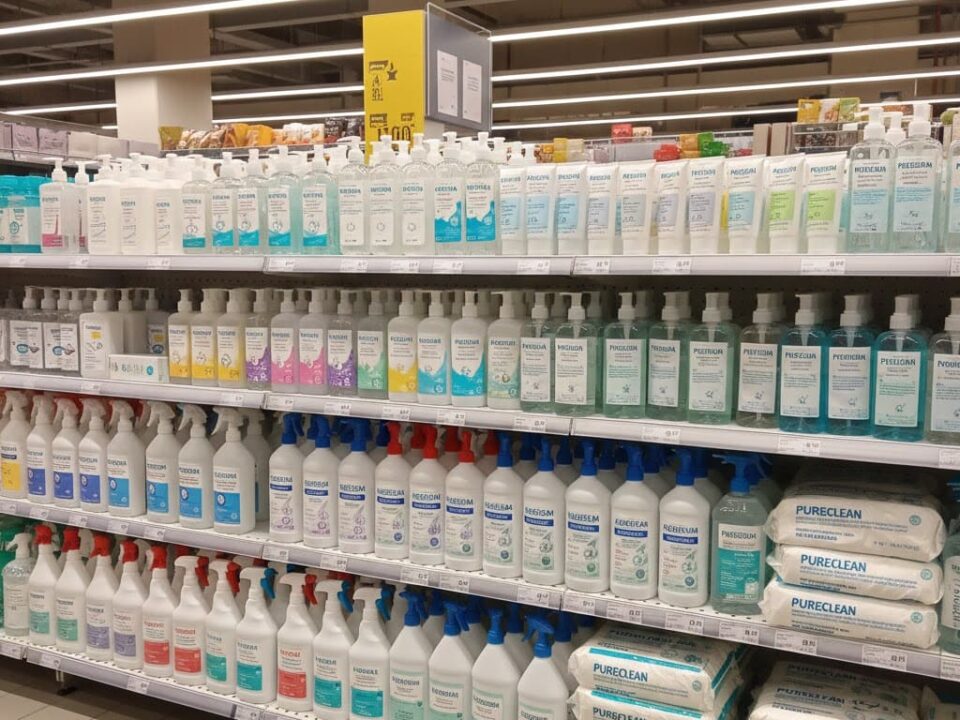
The BPC’s support for the approval of ethanol under the BPR provides some relief to the market and improves regulatory predictability. Ethanol is an essential ingredient in disinfectants and plays a central role in protecting public health and ensuring food safety. A formal approval will consolidate its position on the European market and allow companies to plan their compliance strategies with greater certainty.
Following this announcement, now is the time to act. Companies that market or plan to launch ethanol-based biocidal products should begin preparing the most suitable authorisation strategy while awaiting the final approval decision.
At Nordiik, we support companies in the preparation and submission of authorisation applications in line with the BPR. If your portfolio includes ethanol-based products, this is the moment to structure your strategy, review your data, define authorisation scenarios and ensure compliance. Contact us!
Source: ECHA